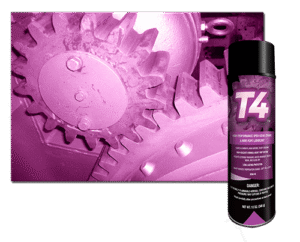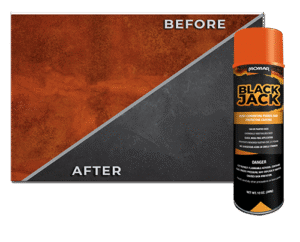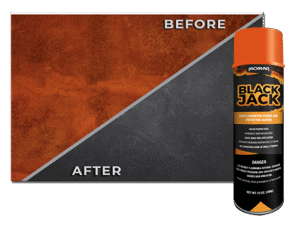
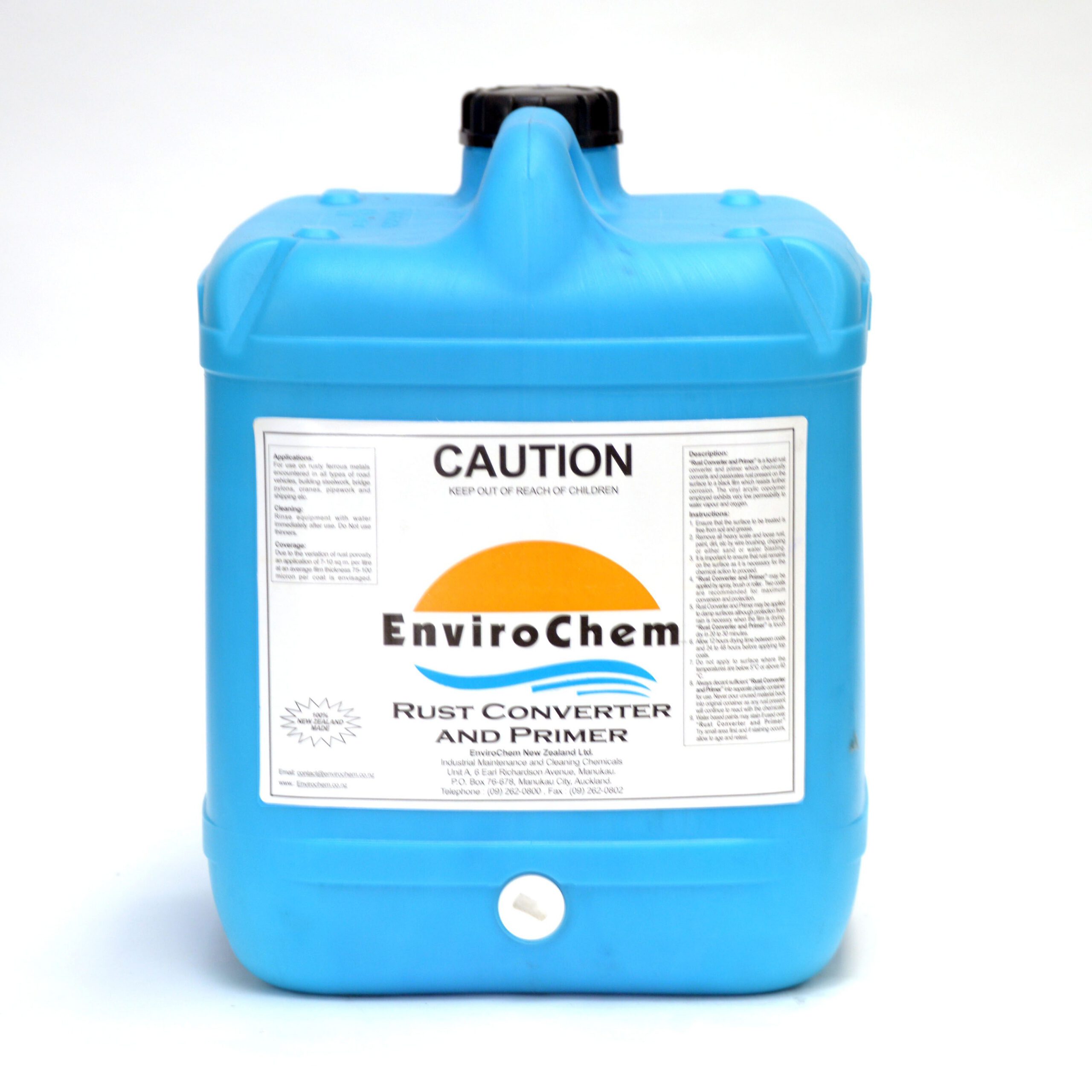
Rust Converter and Primer is a high‑performance commercial cleaning solution designed for reliable results in demanding environments. Formulated for professional use, it delivers effective cleaning action across a wide range of surfaces and applications. This product supports routine maintenance as well as intensive cleaning tasks, providing consistent performance, ease of use, and dependable results. Its versatility makes it suitable for industrial, commercial, and facility‑care settings, helping users maintain clean, safe, and well‑presented surfaces. Developed with efficiency and practicality in mind, Rust Converter and Primer ensures optimal outcomes with minimal effort, making it an essential choice for organisations seeking professional‑grade cleaning performance.
Product & Company Identification
Product name: Rust Convertor and Primer
Recommended use: Converts Rust to Protect Iron and Steel Against Corrosion
Company details:
Envirochem International (NZ) Ltd
41 Angle Street, Onehunga
Auckland, New Zealand
Telephone number: +64 9 262 0800
Emergency telephone number: National Poison Information Centre 0800 764 766
Date of preparation: 01/06/2017
Hazard Identification
Hazard classification: Not considered hazardous in accordance to the HSNO Act 1996.
Composition / Information on Ingredients
| Ingredient | CAS # | Concentration % |
|---|---|---|
| Vinyl Copolymer | - | 30.0u201360.0 |
| Butyl Glycol | 111-76-2 | 1.0u20133.0 |
| Water and Other Non-Hazardous Substances | Mixture | Balance |
First Aid Measures
Ingestion: Rinse mouth. Do not induce vomiting. Give water. Never give anything by mouth to an unconscious person. Seek medical aid immediately.
Eye contact: Flush with water for at least 15 minutes. Seek medical attention.
Skin contact: Remove contaminated clothing. Wash with water and soap.
Inhalation: Move to fresh air. If not breathing, give artificial respiration. If breathing is difficult, give oxygen and seek medical attention.
Fire Fighting Measures
Extinguishing media: Dry chemical powder, foam, polymer foam, water spray or fog.
Hazards from combustion: Residual material may burn, emitting CO and COu2082.
Protection: Firefighters should wear SCBA and protective gear.
Accidental Release Measures
Emergency precautions: Wear protective clothing. Evacuate unnecessary personnel. Increase ventilation. Avoid slipping. Prevent entry into drains and waterways.
Clean-up:
- Absorb with sand or soil (not sawdust or cellulose).
- Collect into sealed labelled containers.
- Flush area with plenty of water.
- Keep contaminated water for disposal.
Handling & Storage
Handling: Wash thoroughly after handling. Avoid contact with eyes, skin, clothing. Keep container tightly closed. Do not dispose of into waterways.
Storage: Store tightly closed, cool, dry, well-ventilated, away from incompatible substances. Check regularly for leaks.
Exposure Controls / Personal Protection
Exposure standards: No TEL/WES for most ingredients.
Butyl Glycol NZ WES: TWA 25 ppm (121 mg/mu00b3)
Engineering controls: Local exhaust ventilation recommended. Provide mechanical ventilation in confined spaces.
PPE:
- Respiratory: Half-face mask with A-type filter if airborne exposure exceeds limits.
- Eye: Safety glasses or face shield.
- Skin: Long sleeves, coveralls, chemical-resistant gloves, enclosed footwear.
Physical & Chemical Properties
Appearance: White
Physical state: Liquid
Odour: Odourless
Melting/Freezing point: Not available
Boiling point: 95u00b0C
Solubility: Emulsifies in water
Specific gravity: 1.24
Vapour density: Not available
Vapour pressure: Not available
Ignition point: Not available
Flash point: Not available
% Volatilities: Not available
Decomposition temperature: Not available
Stability & Reactivity
Chemical stability: Stable under normal conditions.
Conditions to avoid: Heat and flames.
Incompatible materials: None.
Hazardous decomposition: Emits choking fumes when burned.
Toxicological Information
No adverse effects expected with correct handling.
Ingestion: May cause headaches, dizziness, nausea, tracheal burning.
Eye contact: Irritating; may cause swelling and pain.
Skin contact: May cause irritation.
Inhalation: May irritate respiratory tract; prolonged exposure may cause neurological symptoms.
Toxicological data: (From SDS, though unrelated to this product) Quaternary Ammonium Chloride LD50 Rat 1420 mg/kg, LD50 Mouse 150 mg/kg.
Ecological Information
No ecological data available.
Environmental precautions: Do not release into waterways.
Disposal Considerations
Dispose of through licensed waste contractors. Follow local and national regulations.
Transport Information
Road/Rail: Not classified as Dangerous Goods
Marine transport: Not classified as Dangerous Goods
Air transport: Not classified as Dangerous Goods
Shipping name: Not applicable
Hazard class: Not applicable
UN number: Not applicable
Packing group: Not applicable
Hazchem code: Not applicable
Regulatory Information
HSNO Approval No: Not applicable
Group Standard: Not applicable
HSNO Classification: Not applicable
Other Information
National Poison Centre: 0800 764 766
Emergency Services: 111
Envirochem International: +64 9 262 0800
Information provided in good faith without warranty. Users must determine suitability. Envirochem accepts no liability for misuse. Follow all local regulations for handling and disposal.