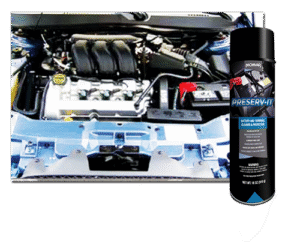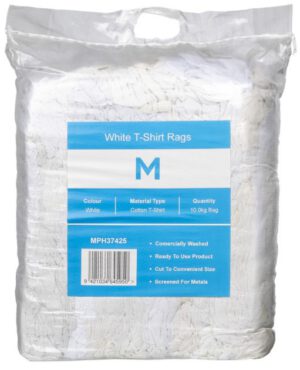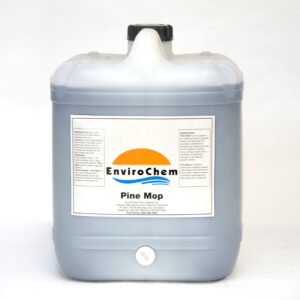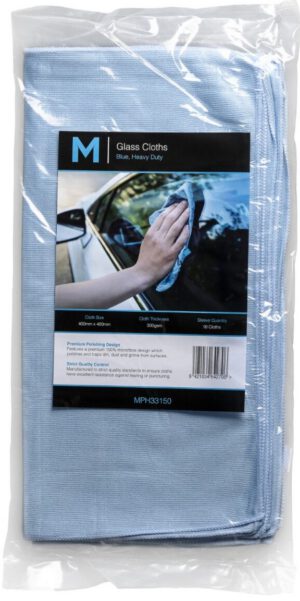
Car Polish is a high‑performance commercial cleaning solution designed for reliable results in demanding environments. Formulated for professional use, it delivers effective cleaning action across a wide range of surfaces and applications. This product supports routine maintenance as well as intensive cleaning tasks, providing consistent performance, ease of use, and dependable results. Its versatility makes it suitable for industrial, commercial, and facility‑care settings, helping users maintain clean, safe, and well‑presented surfaces. Developed with efficiency and practicality in mind, Car Polish ensures optimal outcomes with minimal effort, making it an essential choice for organisations seeking professional‑grade cleaning performance.
Product & Company Identification
Material name: Nano Care Banana Creme Wax with UV Inhibitors
Product Code: 1977
Issue date: 07-21-2015
Version number: 04
Revision date: 04-12-2016
Supersedes date: 04-11-2016
Product identifier (trade name): Nano Care Banana Creme Wax with UV Inhibitors
Registration number: -
Synonyms: None.
Identified uses: Vehicle wax
Uses advised against: None known.
Supplier: Malco Products, Inc.
Address: 361 Fairview Ave, Barberton, OH 44203, US
Division: Not specified
Telephone: 800-253-2526
Fax: 330-777-8317
E-mail: msdsinfo@malcopro.com
Contact person: Not available.
Emergency telephone number (US): 1-800-424-9300
24hr Emergency Assistance in New Zealand: National Poison Control Center: 0800 Poison [764 766]
Distributor in New Zealand: Envirochem International (NZ) LTD, 41 Angle Street, Onehunga, Auckland, New Zealand
Telephone (NZ distributor): +64 9 262 0800
Fax (NZ distributor): +64 9 262 0802
Hazard Identification
Classification according to Regulation (EC) No 1272/2008 (CLP):
Health hazards: Specific target organ toxicity (repeated exposure), Category 1 (STOT RE 1), H372 - Causes damage to organs through prolonged or repeated exposure.
Hazard summary: Causes damage to organs through prolonged or repeated exposure. Prolonged exposure may cause chronic effects. Occupational exposure to the substance or mixture may cause adverse health effects.
Hazard summary (Dangerous Substances Directive):
- Physical hazards: Not classified for physical hazards.
- Health hazards: Harmful: danger of serious damage to health by prolonged exposure through inhalation.
- Environmental hazards: Not classified for hazards to the environment.
- Specific hazards: Prolonged exposure may cause chronic effects.
- Main symptoms: Prolonged exposure may cause chronic effects.
Label according to Regulation (EC) No. 1272/2008:
Contains: Solvent Naphtha (Petroleum), Medium Aliph.
Signal word: Danger
Hazard statements:
- H372: Causes damage to organs through prolonged or repeated exposure.
Precautionary statements — Prevention:
- P260: Do not breathe mist or vapor.
- P264: Wash thoroughly after handling.
- P270: Do not eat, drink or smoke when using this product.
Precautionary statements — Response:
- P314: Get medical advice/attention if you feel unwell.
Storage: Not available.
Disposal:
- P501: Dispose of contents/container in accordance with local/regional/national/international regulations.
Supplemental label information: None.
Other hazards: None known.
Composition / Information on Ingredients
Mixture:
| Chemical name | % | CAS / EC | Index No. | Classification (CLP) |
|---|---|---|---|---|
| Solvent Naphtha (Petroleum), Medium Aliph. | 10 – < 20 | 64742-88-7 / 265-191-7 | 649-405-00-X | Asp. Tox. 1; H304, STOT RE 1; H372 |
| 3(2H)-isothiazolone, 5-Chloro-2-methyl-, mixture with 2-Methyl-3(2H)-isothiazolone | < 0.1 | 55965-84-9 | 613-167-00-5 | Acute Tox. 3; H301, H311, H331; Skin Corr. 1B; H314; Skin Sens. 1; H317; Aquatic Acute 1; H400; Aquatic Chronic 1; H410 |
| Bronopol | < 0.1 | 52-51-7 / 200-143-0 | 603-085-00-8 (M=10) | Acute Tox. 4; H302, H312; Skin Irrit. 2; H315; Eye Dam. 1; H318; STOT SE 3; H335; Aquatic Acute 1; H400 |
| Other components below reportable levels | 80 – < 90 | - | - | - |
Composition comments: The full text for all R- and H-phrases is displayed in section 16.
Abbreviations: CLP: Regulation No. 1272/2008. DSD: Directive 67/548/EEC. M-factor, vPvB (very persistent, very bioaccumulative), PBT (persistent, bioaccumulative and toxic). Some substances have Community workplace exposure limits.
First Aid Measures
General information: If you feel unwell, seek medical advice (show the label where possible). Ensure that medical personnel are aware of the material(s) involved, and take precautions to protect themselves.
Inhalation: Move to fresh air. Call a physician if symptoms develop or persist.
Skin contact: Wash off with soap and water. Get medical attention if irritation develops and persists.
Eye contact: Rinse with water. Get medical attention if irritation develops and persists.
Ingestion: Rinse mouth. Get medical attention if symptoms occur.
Most important symptoms and effects, both acute and delayed: Prolonged exposure may cause chronic effects.
Indication of any immediate medical attention and special treatment needed: Provide general supportive measures and treat symptomatically. Keep victim under observation. Symptoms may be delayed.
Firefighting Measures
General fire hazards: No unusual fire or explosion hazards noted.
Suitable extinguishing media: Powder, alcohol resistant foam, carbon dioxide (COu2082).
Unsuitable extinguishing media: Do not use water jet as an extinguisher, as this will spread the fire.
Special hazards arising from the substance or mixture: During fire, gases hazardous to health may be formed.
Special protective equipment for firefighters: Self-contained breathing apparatus and full protective clothing must be worn in case of fire.
Special firefighting procedures: Move containers from fire area if you can do so without risk. Use standard firefighting procedures and consider the hazards of other involved materials.
Accidental Release Measures
Personal precautions — non-emergency personnel: Keep unnecessary personnel away. Keep people away from and upwind of spill/leak. Wear appropriate protective equipment and clothing during clean-up. Do not breathe mist or vapor. Ensure adequate ventilation. Local authorities should be advised if significant spillages cannot be contained.
Personal precautions — emergency responders: Keep unnecessary personnel away. Use personal protection recommended in Section 8.
Environmental precautions: Avoid discharge into drains, water courses or onto the ground.
Methods and materials for containment and cleaning up:
Large spills: Stop the flow of material, if this is without risk. Dike the spilled material where possible. Cover with plastic sheet to prevent spreading. Absorb in vermiculite, dry sand or earth and place into containers. Following product recovery, flush area with water.
Small spills: Wipe up with absorbent material (e.g. cloth, fleece). Clean surface thoroughly to remove residual contamination.
Never return spills to original containers for re-use.
Reference to other sections: For personal protection, see section 8. For waste disposal, see section 13.
Handling & Storage
Precautions for safe handling: Provide adequate ventilation. Do not breathe mist or vapor. Avoid prolonged exposure. When using, do not eat, drink or smoke. Wear appropriate personal protective equipment. Wash hands thoroughly after handling. Observe good industrial hygiene practices.
Conditions for safe storage, including any incompatibilities: Store in original tightly closed container. Store away from incompatible materials (see Section 10).
Specific end use(s): Not available.
Exposure Controls / Personal Protection
Occupational exposure limits: Multiple national and EU occupational exposure limits apply, mainly for Bentonite Clay (silica) and related components.
Examples of listed OELs in SDS:nnAustria (MAK List):n- 3(2H)-isothiazolone, 5-Chloro-2-methyl-, mixture with 2-Methyl-3(2H)-isothiazolone: MAK 0.05 mg/mu00b3n- Bentonite Clay (CAS 14808-60-7): MAK 0.15 mg/mu00b3 respirable dustnnBelgium:n- Bentonite Clay: TWA 0.1 mg/mu00b3 respirable dustnnBulgaria:n- Aluminum Silicate: TWA 6 mg/mu00b3 inhalable, 3 mg/mu00b3 respirablen- Bentonite Clay: TWA 0.07 mg/mu00b3 respirablennCroatia:n- Bentonite Clay: MAC 0.1 mg/mu00b3nnCzech Republic:n- Bentonite Clay: TWA 0.1 mg/mu00b3 respirable dustnnDenmark:n- Bentonite Clay: TLV 0.3 mg/mu00b3 total, 0.1 mg/mu00b3 respirablennEstonia:n- Bentonite Clay: TWA 0.1 mg/mu00b3 respirable dustnnFinland:n- Bentonite Clay: TWA 0.05 mg/mu00b3 respirablennFrance:n- Bentonite Clay: VME 0.1 mg/mu00b3 respirable fractionnnGermany (DFG MAK List):n- 3(2H)-isothiazolone, 5-Chloro-2-methyl-, mixture with 2-Methyl-3(2H)-isothiazolone: TWA 0.2 mg/mu00b3 inhalable fractionn- Distillates (Petroleum), Hydrotreated Light (CAS 64742-47-8): TWA 140 mg/mu00b3, 20 ppm (vapour and aerosol)nnHungary:n- Bentonite Clay: TWA 0.15 mg/mu00b3 respirablennIceland:n- Bentonite Clay: TWA 0.3 mg/mu00b3 total dust, 0.1 mg/mu00b3 respirablennIreland:n- Bentonite Clay: TWA 0.1 mg/mu00b3 respirable dustnnItaly:n- Bentonite Clay: TWA 0.025 mg/mu00b3 respirable fractionnnLithuania:n- Bentonite Clay: TWA 0.1 mg/mu00b3 respirable fractionnnNetherlands:n- Bentonite Clay: TWA 0.075 mg/mu00b3 respirable dustnnNorway:n- Bentonite Clay: TLV 0.3 mg/mu00b3 total dust, 0.1 mg/mu00b3 respirable dustnnPoland:n- Bentonite Clay: TWA 2 mg/mu00b3 inhalable fraction, 0.3 mg/mu00b3 respirable fractionnnPortugal:n- Bentonite Clay: TWA 0.025 mg/mu00b3 respirable fractionnnRomania:n- Bentonite Clay: TWA 0.1 mg/mu00b3 respirable fractionnnSlovakia:n- Bentonite Clay: TWA 0.1 mg/mu00b3 respirable fractionnnSlovenia:n- 3(2H)-isothiazolone, 5-Chloro-2-methyl-, mixture with 2-Methyl-3(2H)-isothiazolone: TWA 0.05 mg/mu00b3n- Bentonite Clay: TWA 0.15 mg/mu00b3 respirable fractionnnSpain:n- Bentonite Clay: TWA 0.1 mg/mu00b3 respirable fractionnnSweden:n- Bentonite Clay: TWA 0.1 mg/mu00b3 respirable dustnnSwitzerland (SUVA):n- Bentonite Clay: TWA 0.15 mg/mu00b3 respirable dustnnBiological limit values:n- No biological exposure limits noted for the ingredient(s).nnRecommended monitoring procedures:n- Follow standard monitoring procedures.nnDNEL/PNEC:n- Derived no-effect level (DNEL): Not available.n- Predicted no effect concentrations (PNECs): Not available.
Engineering controls: Good general ventilation (typically 10 air changes per hour) should be used. Use process enclosures, local exhaust ventilation, or other engineering controls to maintain airborne levels below recommended exposure limits. If exposure limits have not been established, maintain airborne levels to an acceptable level.
Personal protective equipment:
- General information: PPE should be chosen according to CEN standards and in discussion with the PPE supplier.
- Eye/face protection: Chemical respirator with organic vapor cartridge and full facepiece (note: listed under both respiratory and face protection in SDS).
- Hand protection: Wear appropriate chemical resistant gloves; suitable gloves can be recommended by the glove supplier.
- Other skin/body protection: Use an impervious apron as recommended.
- Respiratory protection: Chemical respirator with organic vapor cartridge and full facepiece where needed.
- Thermal hazards: Wear appropriate thermal protective clothing if necessary.
Hygiene measures: Always observe good personal hygiene measures, such as washing after handling the material and before eating, drinking, and/or smoking. Routinely wash work clothing and protective equipment.
Environmental exposure controls: Environmental manager must be informed of all major releases.
Physical & Chemical Properties
Appearance: Cream
Physical state: Liquid
Form: Liquid, viscous
Colour: Yellow
Odour: Banana
Odour threshold: Not available
pH: Not available
Melting point/freezing point: Not available
Initial boiling point and boiling range: Not available
Flash point: 145.0 u00b0F (62.8 u00b0C)
Evaporation rate: Not available
Flammability (solid, gas): Not applicable
Lower/upper flammability or explosive limits:
- Lower flammability limit: Not available
- Upper flammability limit: Not available
Vapour pressure: 0.00001 hPa (estimated)
Vapour density: Not available
Relative density: Not available
Solubility in water: Not available
Solubility (other): Not available
Partition coefficient (n-octanol/water): Not available
Auto-ignition temperature: Not available
Decomposition temperature: Not available
Viscosity: 25000 cP
Explosive properties: Not explosive
Oxidizing properties: Not oxidizing
Density: 8.16 lbs/gal
VOC (weight %): 14% by weight
Stability & Reactivity
Reactivity: The product is stable and non-reactive under normal conditions of use, storage and transport.
Chemical stability: Material is stable under normal conditions.
Possibility of hazardous reactions: No dangerous reaction known under conditions of normal use.
Conditions to avoid: Avoid temperatures exceeding the flash point. Avoid contact with incompatible materials.
Incompatible materials: Strong oxidizing agents.
Hazardous decomposition products: No hazardous decomposition products are known.
Toxicological Information
General information: Occupational exposure to the substance or mixture may cause adverse effects.
Likely routes of exposure:
- Inhalation: May cause damage to organs through prolonged or repeated exposure by inhalation.
- Skin contact: No adverse effects due to skin contact are expected.
- Eye contact: Direct contact with eyes may cause temporary irritation.
- Ingestion: May cause discomfort if swallowed. Ingestion is not likely to be a primary route of occupational exposure.
Symptoms: Exposure may cause temporary irritation, redness, or discomfort. Prolonged exposure may cause chronic effects.
Component acute toxicity data (Bronopol, CAS 52-51-7):
- Dermal LD50 (rat): 64 mg/kg
- Inhalation LC50 (rat, 6 hours): > 5 mg/l
- Oral LD50: Mouse 350 mg/kg, Rat 307 mg/kg
Skin corrosion/irritation: Due to partial or complete lack of data the classification is not possible.
Serious eye damage/eye irritation: Direct contact with eyes may cause temporary irritation.
Respiratory sensitisation: Due to partial or complete lack of data the classification is not possible.
Skin sensitisation: This product is not expected to cause skin sensitisation.
Germ cell mutagenicity: Due to partial or complete lack of data the classification is not possible.
Carcinogenicity: Risk of cancer cannot be excluded with prolonged exposure.
Reproductive toxicity: Due to partial or complete lack of data the classification is not possible.
STOT — single exposure: Due to partial or complete lack of data the classification is not possible.
STOT — repeated exposure: Causes damage to organs through prolonged or repeated exposure.
Aspiration hazard: Due to partial or complete lack of data the classification is not possible.
Mixture vs substance information: No additional information available.
Other information: Not available.
Ecological Information
Toxicity: The product is not classified as environmentally hazardous. However, large or frequent spills may have harmful or damaging effects on the environment.
Persistence and degradability: No data is available on the degradability of this product.
Bioaccumulative potential: No data available.
Partition coefficient (n-octanol/water): Bronopol log Kow: -0.64
Bioconcentration factor (BCF): Not available.
Mobility in soil: No data available.
Results of PBT and vPvB assessment: Not available.
Other adverse effects: No other adverse environmental effects (e.g. ozone depletion, photochemical ozone creation potential, endocrine disruption, global warming potential) are expected.
Disposal Considerations
Waste treatment methods:
Residual waste: Dispose of in accordance with local regulations. Empty containers or liners may retain some product residues. This material and its container must be disposed of in a safe manner.
Contaminated packaging: Since emptied containers may retain product residue, follow label warnings even after container is emptied. Empty containers should be taken to an approved waste handling site for recycling or disposal.
EU waste code: To be assigned in discussion between the user, producer and waste disposal company.
Disposal methods/information: Collect and reclaim or dispose in sealed containers at licensed waste disposal site. Dispose of contents/container in accordance with local/regional/national/international regulations.
Special precautions: Dispose in accordance with all applicable regulations.
Transport Information
ADR: Not regulated as dangerous goods.
RID: Not regulated as dangerous goods.
ADN: Not regulated as dangerous goods.
IATA: Not regulated as dangerous goods.
IMDG: Not regulated as dangerous goods.
Bulk transport (MARPOL / IBC): Not established.
Regulatory Information
Safety, health and environmental regulations/legislation: The product is classified and labelled in accordance with EC directives or respective national laws. This SDS complies with Regulation (EC) No 1907/2006 (REACH), as amended.
EU regulations (examples from SDS):
Regulation (EC) No. 1005/2009 (ozone-depleting substances): Not listed.nRegulation (EC) No. 850/2004 (persistent organic pollutants): Not listed.nRegulation (EC) No. 689/2008 (export and import of dangerous chemicals): Not listed in Annex I parts 1, 2, 3 or Annex V.nRegulation (EC) No. 166/2006 (Pollutant Release and Transfer Registry): Not listed.nRegulation (EC) No. 1907/2006, REACH Article 59(10) Candidate List: Not listed.nnAuthorizations (REACH Annex XIV): Not listed.nRestrictions (REACH Annex XVII): Not listed.nnDirective 2012/18/EU (major accident hazards):n- 3(2H)-isothiazolone, 5-Chloro-2-methyl-, mixture with 2-Methyl-3(2H)-isothiazolonen- BronopolnnDirective 98/24/EC (chemical agents at work):n- 3(2H)-isothiazolone, 5-Chloro-2-methyl-, mixture with 2-Methyl-3(2H)-isothiazolonen- Bronopoln- Solvent Naphtha (Petroleum), Medium Aliph. (CAS 64742-88-7)nnDirective 94/33/EC (protection of young people at work):n- 3(2H)-isothiazolone, 5-Chloro-2-methyl-, mixture with 2-Methyl-3(2H)-isothiazolonen- Solvent Naphtha (Petroleum), Medium Aliph. (CAS 64742-88-7)
New Zealand ERMA / HSNO:
New Zealand ERMA Register of Hazardous Substances: HSNO: HSR002525, Cleaning products (Combustible) Group Standard 2006.
National regulations: Follow national regulation for work with chemical agents.
Chemical safety assessment: No Chemical Safety Assessment has been carried out.
Other Information
List of abbreviations: Not available.
References: Not available.
Evaluation method for classification: The classification for health and environmental hazards is derived by a combination of calculation methods and test data, if available.
Full text of H-statements (from components):
- H301: Toxic if swallowed.
- H302: Harmful if swallowed.
- H304: May be fatal if swallowed and enters airways.
- H311: Toxic in contact with skin.
- H312: Harmful in contact with skin.
- H314: Causes severe skin burns and eye damage.
- H315: Causes skin irritation.
- H317: May cause an allergic skin reaction.
- H318: Causes serious eye damage.
- H331: Toxic if inhaled.
- H335: May cause respiratory irritation.
- H372: Causes damage to organs through prolonged or repeated exposure.
- H400: Very toxic to aquatic life.
- H410: Very toxic to aquatic life with long lasting effects.
Revision information: Changes noted in Section 2 (Hazards identification), Section 3 (Composition), Section 11 (Toxicological information) and Section 16 (Other information), plus GHS classification notes.
Training information: Follow training instructions when handling this material.
Disclaimer: The information provided in this Safety Data Sheet is correct to the best of the supplier's knowledge, information and belief at the date of publication. It is intended as guidance for safe handling, use, processing, storage, transportation, disposal and release, and is not a warranty or quality specification. It relates only to the specific material designated and may not be valid for use in combination with other materials or processes unless specified. The user is responsible for ensuring safe conditions for handling, storage and disposal, and assumes liability for loss, injury, damage or expense due to improper use. Information is based on the best knowledge and experience currently available.